Home Plant Care Planner Canva KDP Interior Guide
Keeping plants healthy, organized, and thriving can feel like a constant balancing act, especially when you are juggling multiple species, watering schedules, and seasonal tasks. The Home Plant Care Planner Canva KDP Interi and Home Plant Care Planner Canva KDP Interior offer a structured yet flexible system for managing every aspect of plant care in one place. Whether you are a casual houseplant owner, a dedicated gardener, or a content creator looking for a customizable template, this planner is designed to simplify your routine and help you stay on top of every task without feeling overwhelmed.
This article explores what this planner includes, how it can support your plant care goals, and why it might be the right tool for your home or creative projects. We will also look at practical use cases and considerations so you can decide if it fits your specific needs.
What Makes This Plant Care Planner Different?
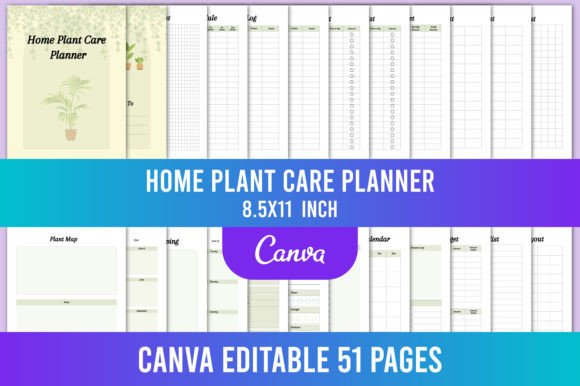
Unlike a simple notebook or a generic spreadsheet, the Home Plant Care Planner Canva KDP Interi combines dozens of dedicated pages that cover nearly every aspect of plant and garden management. It is not just a watering log. It includes tools for budgeting, garden layout planning, pest control, seed tracking, and even journaling. Because it is built for Canva, you can edit every page using a free account, which means you can personalize layouts, colors, and text to match your style or brand. The package also provides high-quality PDF, JPEG, and PNG files, giving you flexibility in how you use and print the planner.
Comprehensive Page Set for Real Plant Care
The planner includes more than 40 distinct pages, each targeting a specific task or goal. Here are some of the most practical ones:
- Watering Schedule: Track when each plant was watered and when it needs water next, preventing both overwatering and underwatering.
- Pest Disease Log and Pest Control: Record symptoms, treatments, and follow-up actions so you can spot patterns and act quickly.
- Plant Wishlist and Garden Wishlist: Keep a running list of species you want to add, along with notes on ideal conditions and where to find them.
- Produce Budget and Gardening Budget: Monitor what you spend on soil, pots, seeds, tools, and plants, helping you stay within your financial limits.
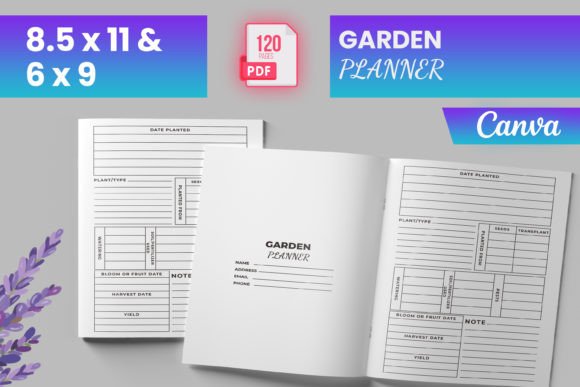
- Garden Layout and Flower Plant Layout: Sketch or describe your garden beds and containers, making it easier to plan spacing and companion planting.
- Monthly Garden Calendar and Monthly Planner: See your tasks at a glance for each month, from fertilizing to pruning to planting new seeds.
- Plant Profile and Plant Log: Document each plant's species, care requirements, purchase date, and growth milestones for a complete history.
- Seed Starting Log and Seed Inventory: Keep track of what seeds you have, when they were sown, and how they performed.
- Repotting Tracker and Propagation Tracker: Note when plants outgrew their pots or when you took cuttings, helping you plan future repotting and propagation.
- Garden Spraying Tracker and Garden Pruning Tracker: Record dates, products used, and results for any chemical or organic treatments and pruning sessions.
- Expenses Log and Soil Status: Track ongoing costs and soil conditions, such as pH and moisture levels, for each area of your garden.
- Journal, Garden Journal, and Important Notes: Use these pages for reflection, observations, and any spontaneous ideas that come up while you work with your plants.
This wide range of pages means you do not have to create your own system from scratch. Everything you might need is already there, organized and ready to use.
Practical Benefits for Everyday Plant Owners
Having a dedicated planner like this can genuinely change how you care for your plants. Instead of relying on memory or scattered notes, you develop a single source of truth. Here are some of the most meaningful benefits:
Reduces Guesswork and Saves Time
When you log watering, fertilizing, and pest control activities, you can quickly reference what you did last week or last month. This prevents duplication of effort and helps you identify what works. For example, if you notice a certain plant struggles every time you water it on a fixed schedule, you can adjust based on your records. The Monthly To Do List and Weekly Garden Planner help you prioritize tasks so you never forget a critical step like winterizing or deadheading.
Supports Budgeting and Financial Planning
Plants and gardening can become surprisingly expensive. With the Produce Budget, Gardening Budget, and Expenses Log, you can see exactly where your money goes. This is especially helpful if you are growing your own food or trying to keep a container garden affordable. You can compare costs across seasons, decide which supplies to buy in bulk, and cut back on unnecessary purchases.
Encourages Consistency and Accountability
Planners work because they create a habit of tracking and reviewing. The Plant Yearly Calendar and Seasonal Checklist give you a big-picture view of the year, so you know when to start seeds, when to prune, and when to expect blooms or harvests. If you share plant care duties with a partner or family member, the planner becomes a shared reference that keeps everyone on the same page.
Helps You Learn and Improve Over Time
The Plant Log, Plant Profile, and Propagation Tracker allow you to build a detailed history for each plant. Over several months or years, you will see patterns you might otherwise miss. For instance, you might discover that a certain fern thrives only when you use filtered water, or that a particular tomato variety yields better when planted earlier in the season. This kind of data turns you into a more knowledgeable and confident plant parent.
Who Can Benefit Most from This Planner?
While any plant lover can use the Home Plant Care Planner Canva KDP Interior, certain groups will find it especially valuable:
- Houseplant enthusiasts who own more than ten plants and need a system to keep track of each one's unique needs.
- Vegetable and herb gardeners who plan multiple beds or containers and want to optimize planting dates, crop rotation, and harvests.
- Content creators and bloggers who want a visually consistent planner they can edit in Canva and share with their audience as a freebie or product.
- Small business owners who sell plants or garden supplies and need to track inventory, propagation, and customer orders.
- Educators and workshop leaders who teach plant care or gardening and want a structured tool to give participants.
- Freelancers and entrepreneurs who value efficiency and want a ready-made template they can customize without spending hours on design.
If you fall into one of these groups, the planner can save you considerable time and mental energy. Instead of reinventing the wheel, you get a professional layout that works right out of the box.
Use Case 1: A Busy Professional with a Growing Houseplant Collection
Imagine you have 25 houseplants scattered across your apartment. You used to rely on a mobile app, but you found it too generic and stopped checking it. With this planner, you print the Watering Schedule and Plant Profile pages, fill them out over a weekend, and keep them in a binder. Now every Sunday morning, you spend ten minutes checking your schedule, noting any pests, and updating the Pest Disease Log. Within a month, you notice fewer yellow leaves and more new growth because you are watering and feeding each plant exactly when needed.
Use Case 2: A Small Urban Garden with Vegetables and Flowers
You have three raised beds and a few containers on a balcony. You want to rotate crops, track your spending on soil and seeds, and plan for a continuous harvest. The Crop Rotation page helps you map out which bed gets tomatoes, beans, or leafy greens each year. The Garden Layout page lets you sketch the arrangement, and the Seed Starting Log keeps you on schedule. By the end of the season, you have a clear record of what worked and what did not, so next year's garden is even more productive.
Use Case 3: A Content Creator Designing a Digital Product
You run a blog or Etsy shop focused on plant care. Rather than designing a planner from scratch, you use the Home Plant Care Planner Canva KDP Interi as your base. In Canva, you adjust the colors to match your brand, add your logo, and rearrange some pages. You then export high-quality PDF and PNG files and offer them to your audience as a digital download. This saves you hours of design work and gives you a polished product you can sell or use as a lead magnet.
Limitations and Fit Considerations
No single tool works for everyone. While this planner is comprehensive, it is worth considering a few points before you commit:
- Digital-only format: The planner comes as editable Canva files and exported PDFs, JPEGs, and PNGs. If you prefer a physical notebook, you will need to print the pages yourself. The quality of the printed result depends on your printer and paper.
- Canva required for editing: To customize the layout, you need a free or paid Canva account. If you are unfamiliar with Canva, there is a small learning curve, but the interface is generally intuitive.
- Overwhelming for a small collection: If you have only one or two plants, many of the pages (like Garden Layout or Crop Rotation) may feel unnecessary. You could still use the watering log and plant profile pages, but the full set might be more than you need.
- No app integration: This is a document-based planner, not a mobile app with push notifications. You have to remember to check and update it regularly. For some people, an app with reminders might be more effective.
If you are comparing options, think about how much detail you want and how you prefer to track information. A simple spreadsheet or a notebook might suffice for very small collections. But if you want a structured, visually appealing system that you can customize and scale, this planner is a strong choice.
Thoughts on Getting the Most Out of the Planner
To truly benefit from the Home Plant Care Planner Canva KDP Interior, consider using it as a living document. Set aside fifteen minutes each week to update your logs and review your calendar. Use the Garden Progress and Garden Notes pages to record what you observe, even if it seems trivial at the time. Over several months, these notes become a valuable reference that helps you make better decisions about watering, fertilizing, and plant placement.
For those who enjoy creativity, the planner also works well as a brainstorming tool. The Plant Mind Mapping and My Plants Ideas pages let you sketch out new layouts, dream about future gardens, or plan a themed collection. This can make plant care feel less like a chore and more like an ongoing, rewarding project.
Final Thoughts
The Home Plant Care Planner Canva KDP Interi and Home Plant Care Planner Canva KDP Interior provide a thorough, customizable framework for anyone serious about plant care. With pages for watering, pest control, budgeting, garden layout, seasonal planning, and much more, it covers the full spectrum of tasks that plant owners face. The ability to edit everything in Canva and export high-quality files makes it especially useful for creators and small business owners who want a professional product without starting from zero.
If you are looking for a practical way to organize your plant care routine, reduce forgotten tasks, and track your garden's progress over time, this planner is worth exploring. It does not promise instant results, but if used consistently, it can help you become a more attentive, efficient, and successful plant caretaker.